I’m forever hearing that there are rules in science.
If a theory breaks the rules, I’m told, it must be rejected.
Trouble is, if, in the past, we’d rejected any theory that breaks the rules, we’d have rejected Copernicus’s idea that the Earth goes around the Sun...
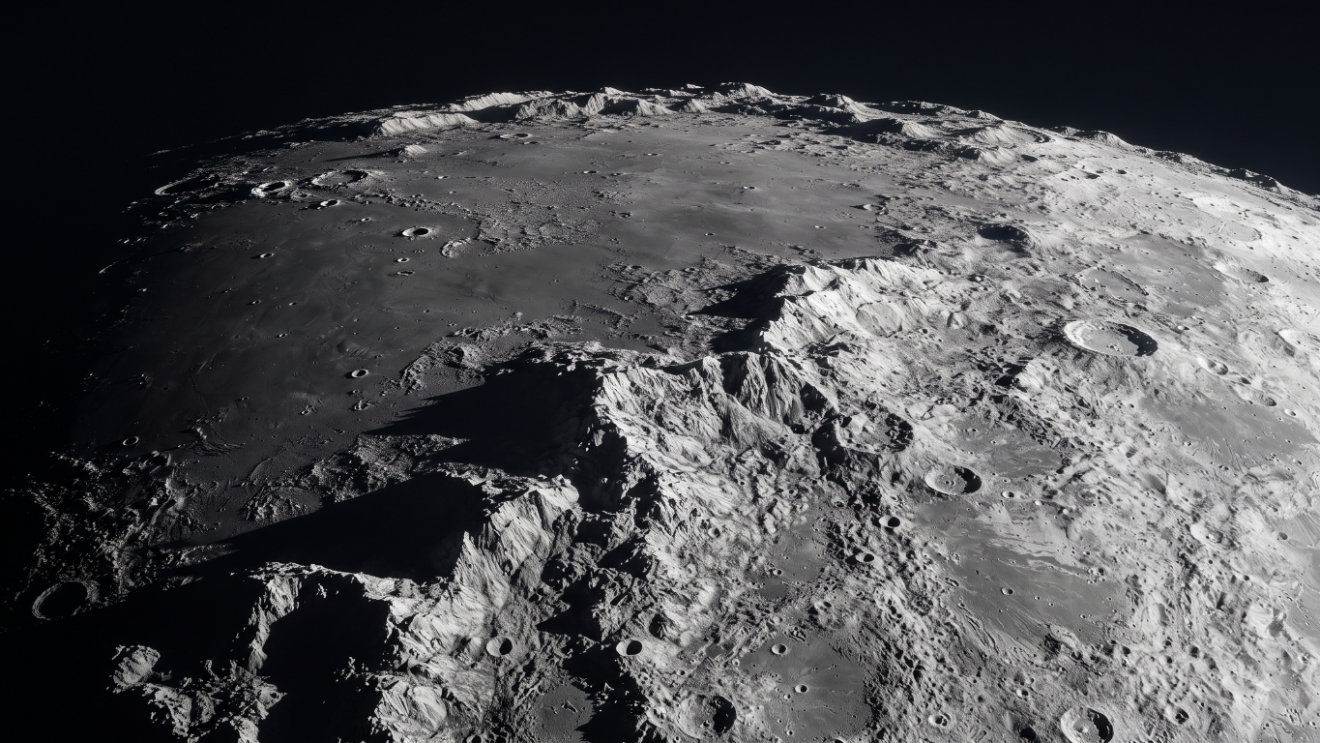
...Galileo’s observation that there are mountains on the Moon...
...Newton’s laws of motion, Einstein’s theories of relativity, quantum mechanics – we’d definitely have rejected quantum mechanics – we’d have rejected every important theory in the history of science.
Truth is, every rule for science you’ve ever been taught is wrong.
There are no rules in science.
So... you may be wondering... if there are no rules, how do you know the difference between a good scientific theory and... nonsense?
Well, that’s simple.
There’s a formula for a good scientific theory.
This 7-word formula...
...has worked for every significant discovery in the history of science.
And I’m willing to bet that you’ve never heard of it.
Totally predictable
A couple of thousand years ago, a guy called Thales predicted a solar eclipse.
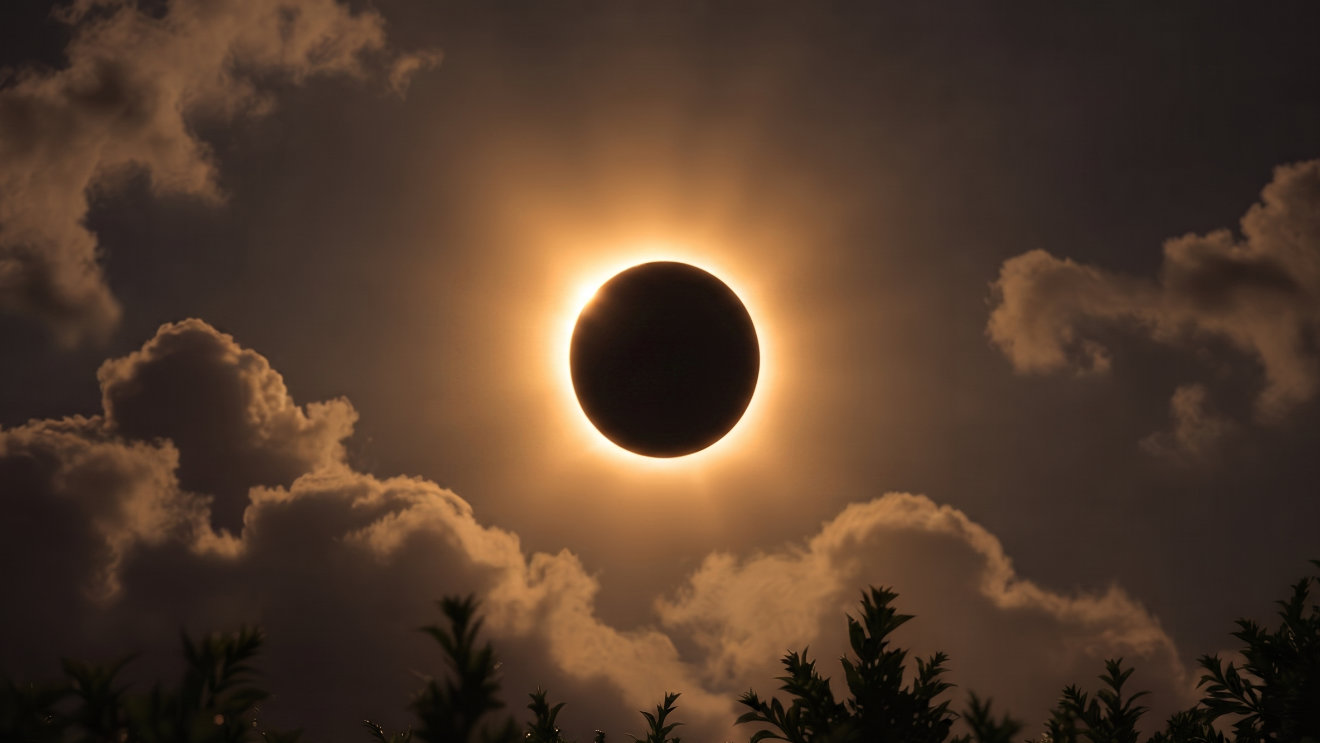
He calculated that the moon would occlude the sun, turning day to night, and sure enough, the moon occluded the sun, turning day to night.
Now that’s interesting.
So interesting that a bunch of battling warriors stopped fighting and called off the war they’d been waging for six years.
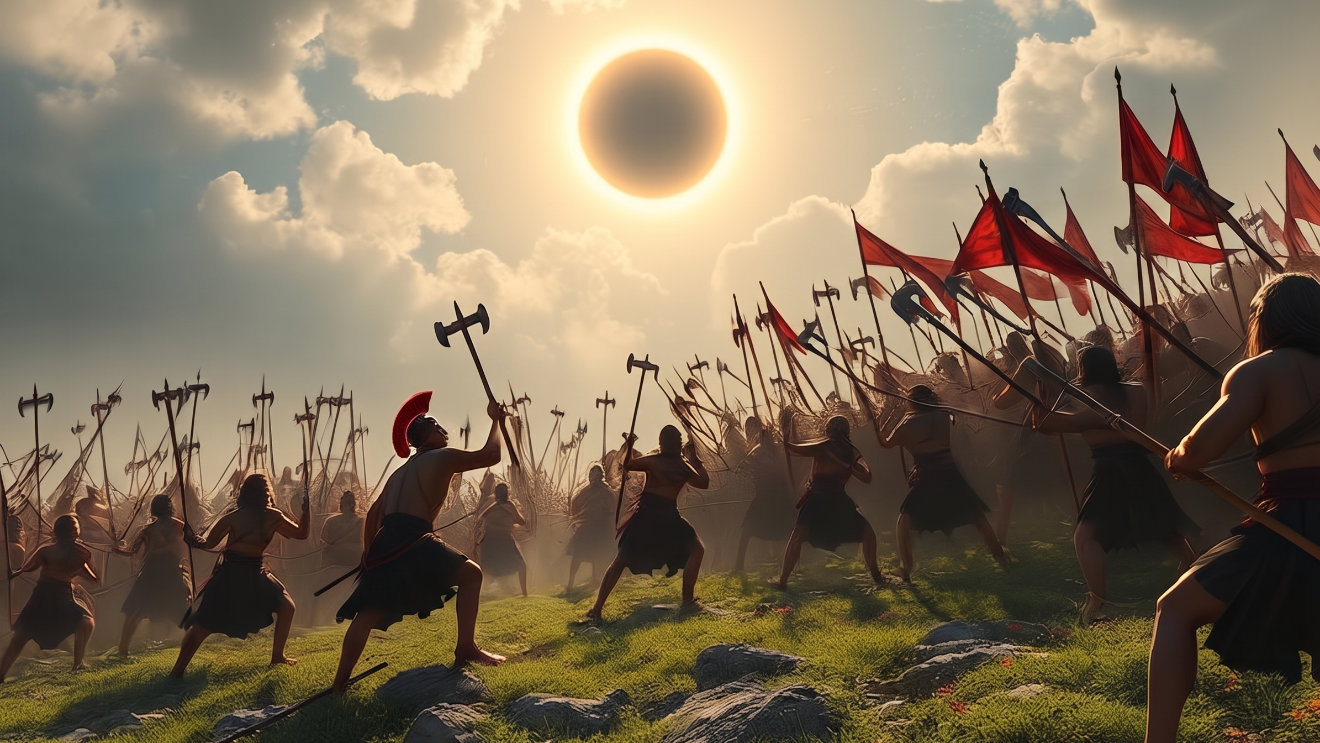
Or so the story goes. Let’s give Thales the benefit of the doubt, and suppose that he not only predicted that an eclipse would happen, you know, some time, soon. Let’s suppose that he predicted when the eclipse would happen.
Because that’s what’s interesting about what he did.
He didn’t just say that there’s the Sun and there’s the Moon and they move all over the place and at some point they’re going to be in the same place.
He predicted when they would be in the same place in the sky and what that might look like to battling warriors here on Earth.
This broke the rules.
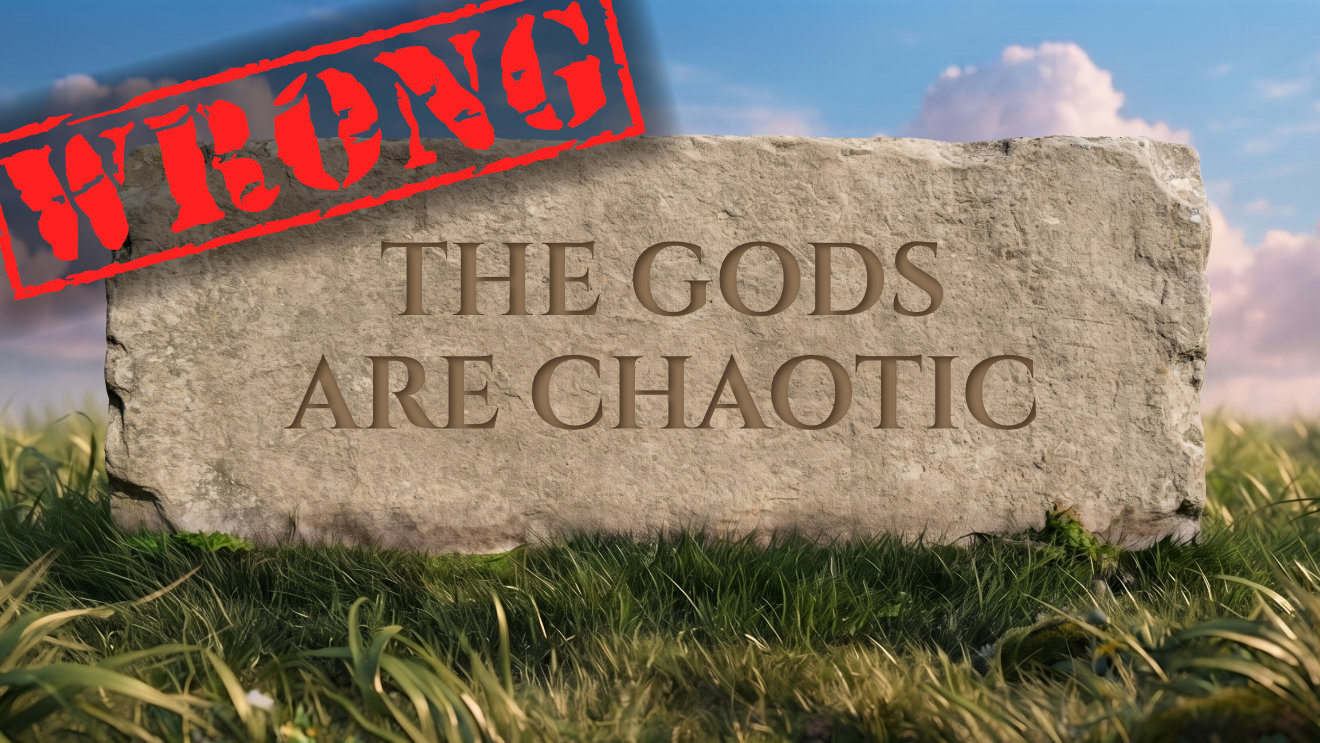
By the thinking of the day, the gods who govern the seas and the skies were chaotic. You might be able to appease them by sacrificing a lamb, but you certainly couldn’t anticipate their vagaries.

Thales’ prediction of the eclipse proved this rule wrong.
Now we have a new rule.
Scientific theories must make predictions.
It’s a good rule. If your theory makes a prediction – a prediction that’s novel, a prediction that’s precise – then we have a way to test it. If the eclipse happens when you say it’s going to happen, then we’ll be more inclined to believe that your theory has something to tell us about the universe.
But...
What happens when the predictive power of our existing theories is so extraordinary that no new theory can compete? Should we reject any new theory that doesn’t immediately reproduce all the predictions of all the existing theories, and throw in a few novel predictions to boot?
Keep an eye out
Several hundred years ago, a guy called Galileo saw mountains on the Moon.
Peering through his telescope, he also saw several points of light that seemed to orbit the planet Jupiter, just as the Moon orbits the Earth.
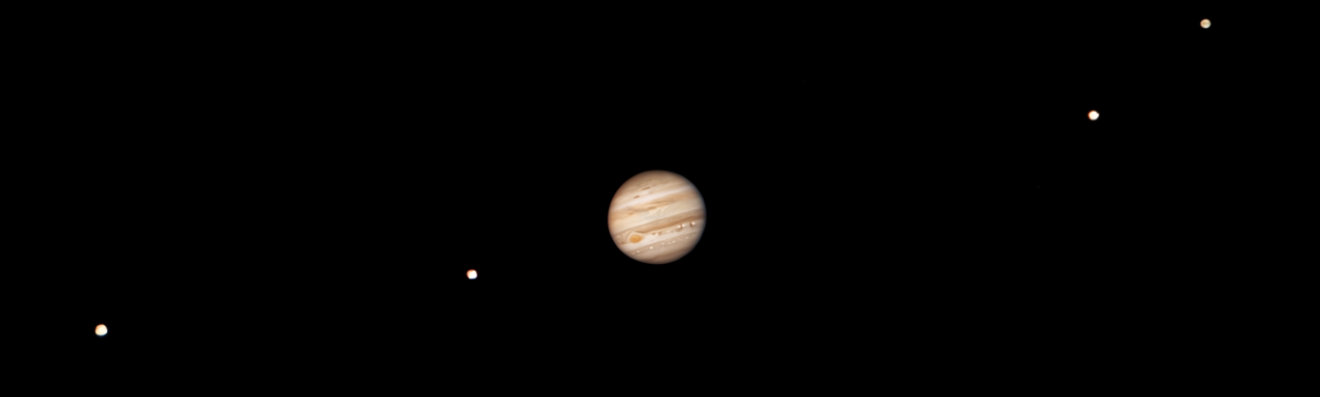
Now that’s interesting.
You can just look through a telescope and see that the celestial sphere is stranger than we’d ever imagined?
Because that’s what’s interesting about what Galileo did.
He didn’t ponder God’s creation, like the ancient philosophers, and pontificate on the nature of the celestial sphere.
He actually took a look.
He observed the universe as it really is.
This broke the rules.
By the thinking of the day, God’s creation was sublime. The crystalline spheres that carried the Sun, the Moon, the planets and the stars in their orbits around the Earth were perfect. There were no mountains to mar the sphericity of the Moon. There were no points of light to shatter the crystalline sphere carrying Jupiter.
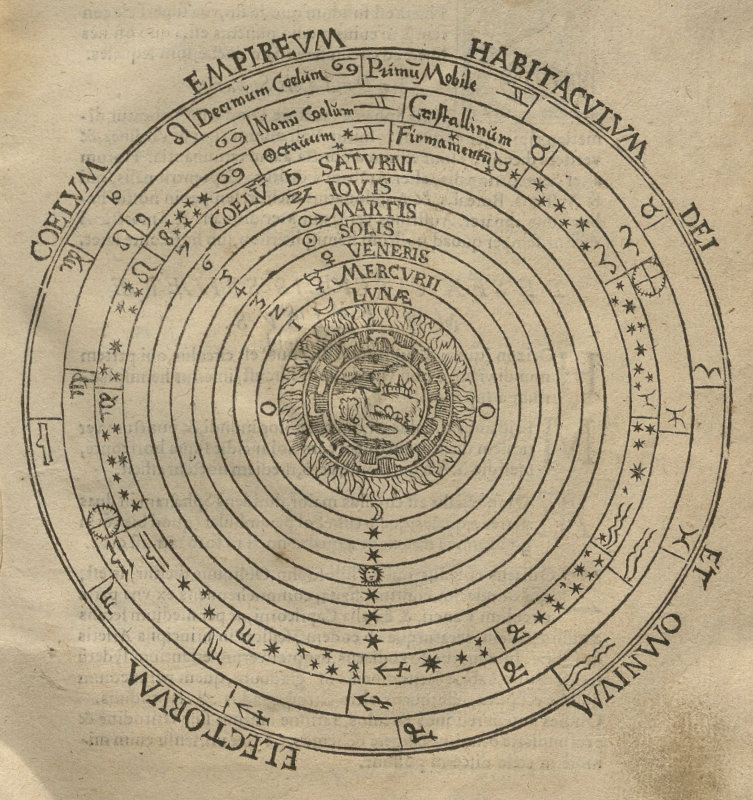
Galileo’s observations of lunar mountains and the moons of Jupiter proved this rule wrong.
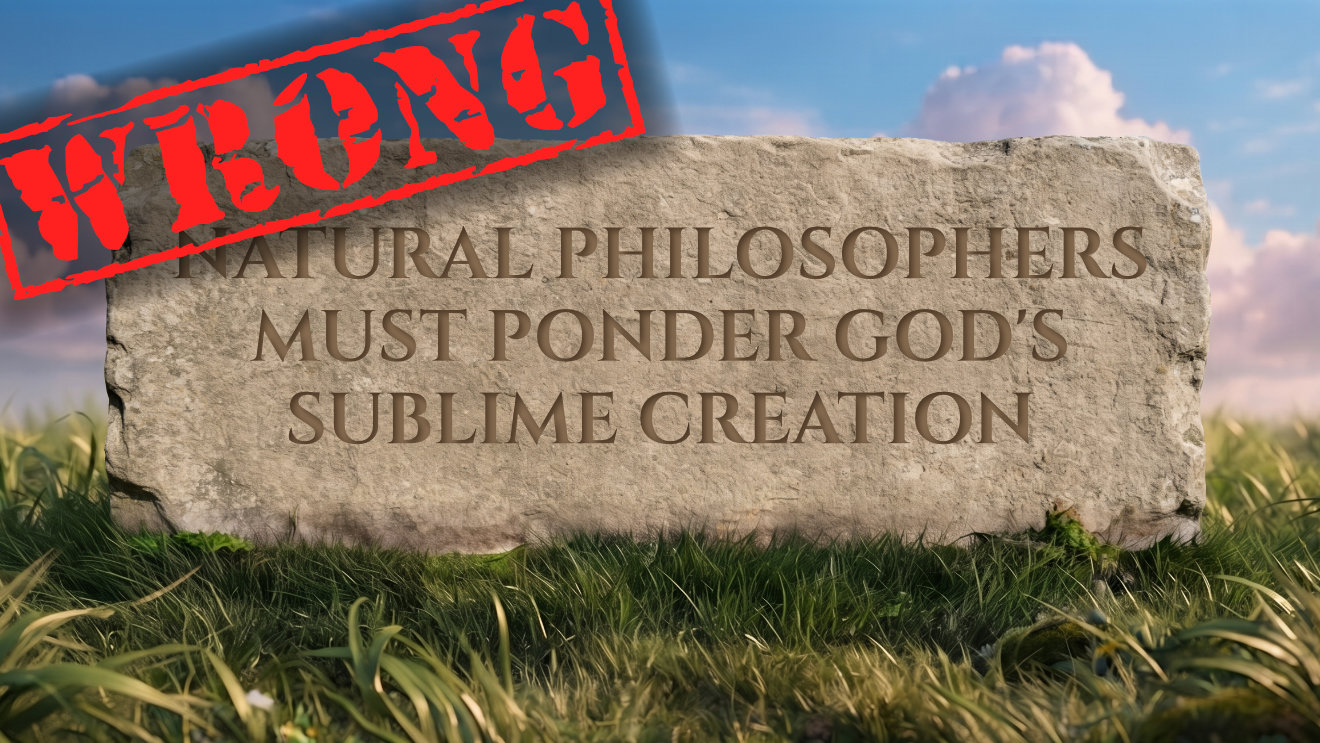
Now we have a new rule.
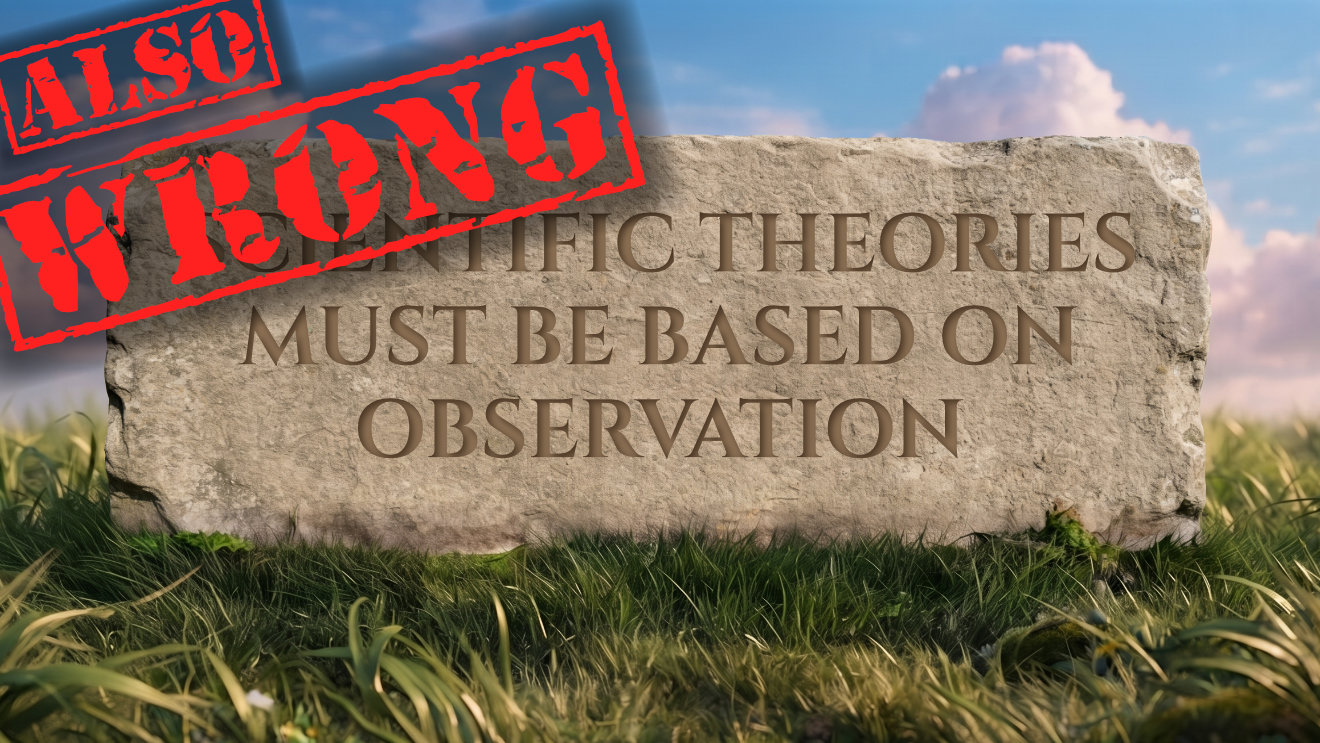
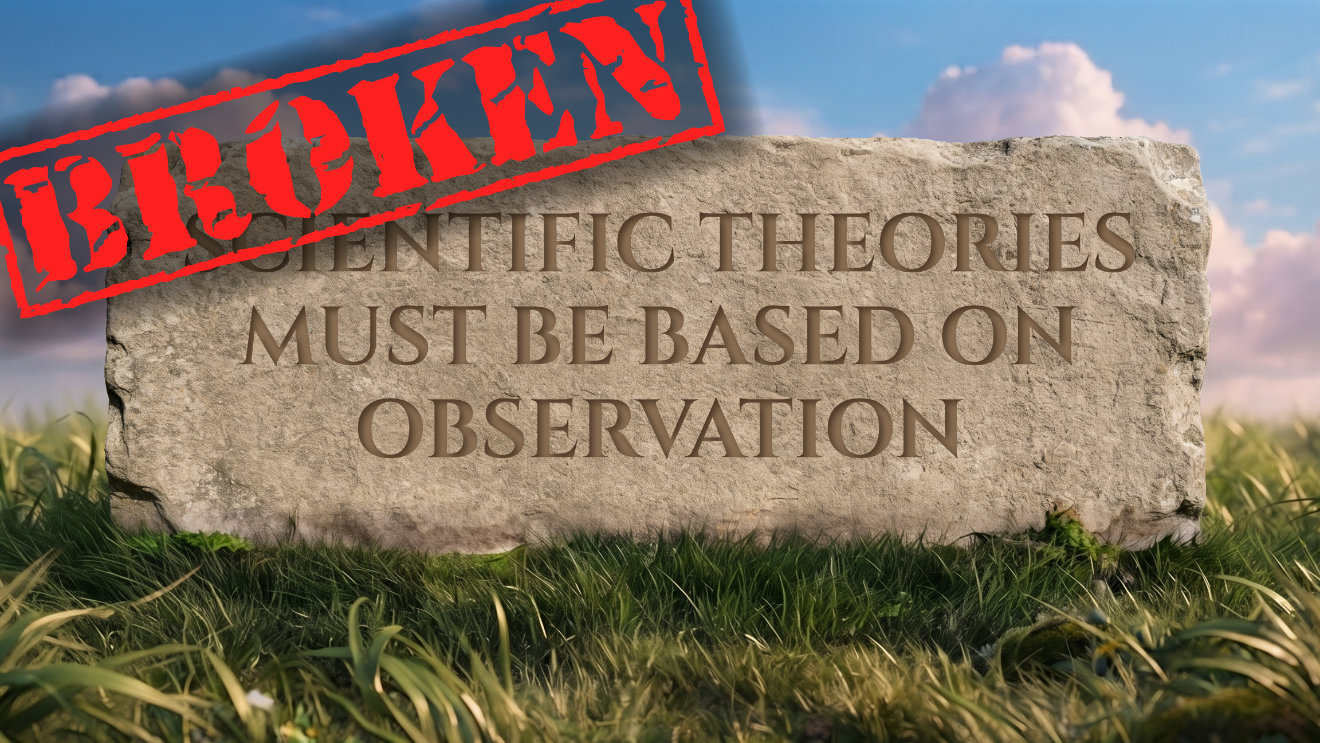
Scientific theories must be based on observation.
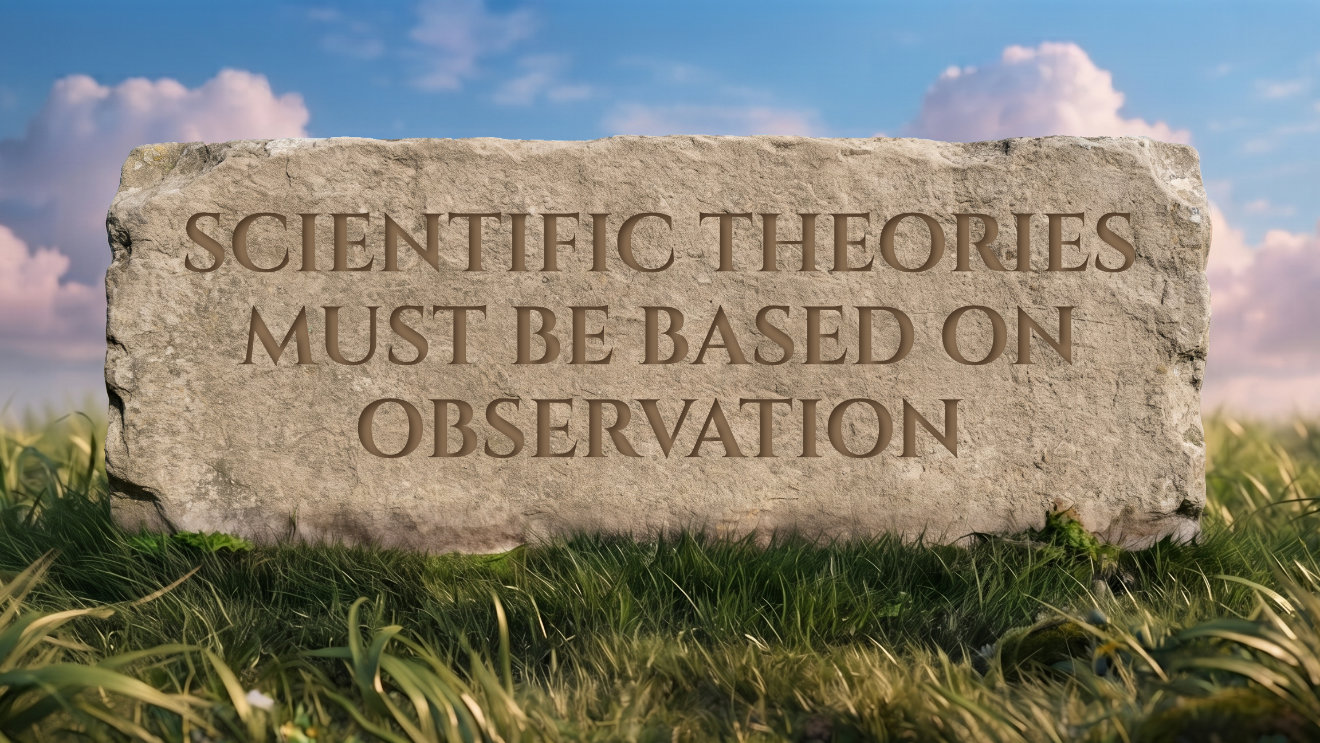
It’s a good rule. I mean, there’s nothing wrong with pondering God’s sublime creation, but that’s not science. If your theory is based on observation, then then we’ll be more inclined the believe that it has something to tell us about the universe as it really is, warts – and unexpected mountains – and unexpected moons – and all.
But...
What happens when we want to explain phenomena that we can’t observe? The first picosecond after the Big Bang? The regions of the cosmos beyond the reach of our telescopes? The structure of space at scales smaller than the Planck length? Should we reject any new theory that tries to model these extremes?
You do the math
Several hundred years ago, that same guy, Galileo used mathematics to model the motion of falling bodies.

Around the same time, a guy called Kepler used mathematics to model the orbits of the planets.

It turned out that the numbers you get when you measure these phenomena fit simple geometric forms such as quadratics and ellipses.
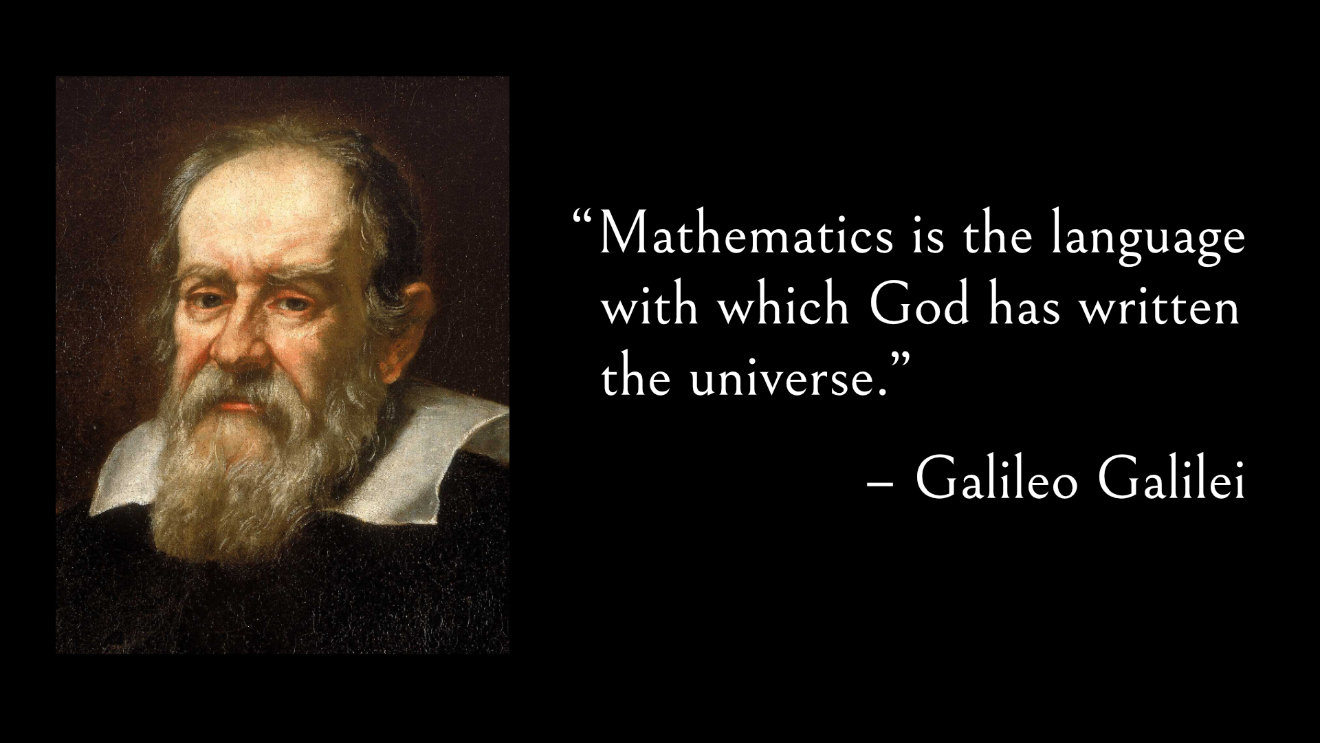
As Galileo put it, “Mathematics is the language with which God has written the universe.”
Now that’s interesting.
It’s not obvious that mathematics should have any application to the real world. I mean, it applies to the ideal forms you can picture in your mind, such as circles and cubes. But when was the last time you saw a perfect circle or a perfect cube in nature?
Because that’s what’s interesting about what Galileo and Kepler did.
They didn’t just describe the universe in the language of Latin.
They described it in the language of mathematics.
This broke the rules.
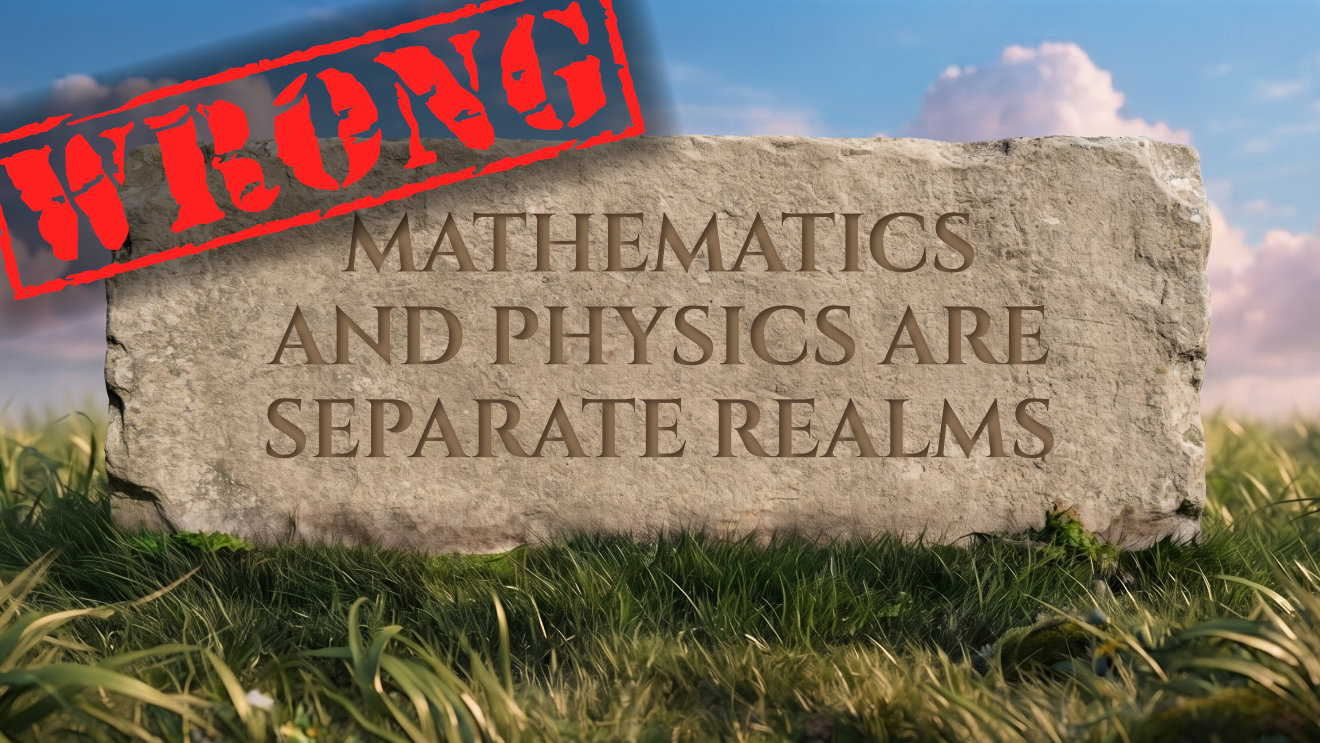
By the thinking of the day, mathematics and physics were separate realms. The ancients had talked about what goes up – fire, air – and what goes down – water, earth – but they hadn’t put numbers on it. Mathematics applied to the Platonic realm of perfect forms, not to the physical world in all its imperfection.
Galileo’s and Kepler’s application of mathematics to physics proved this rule wrong.
Now we have a new rule.
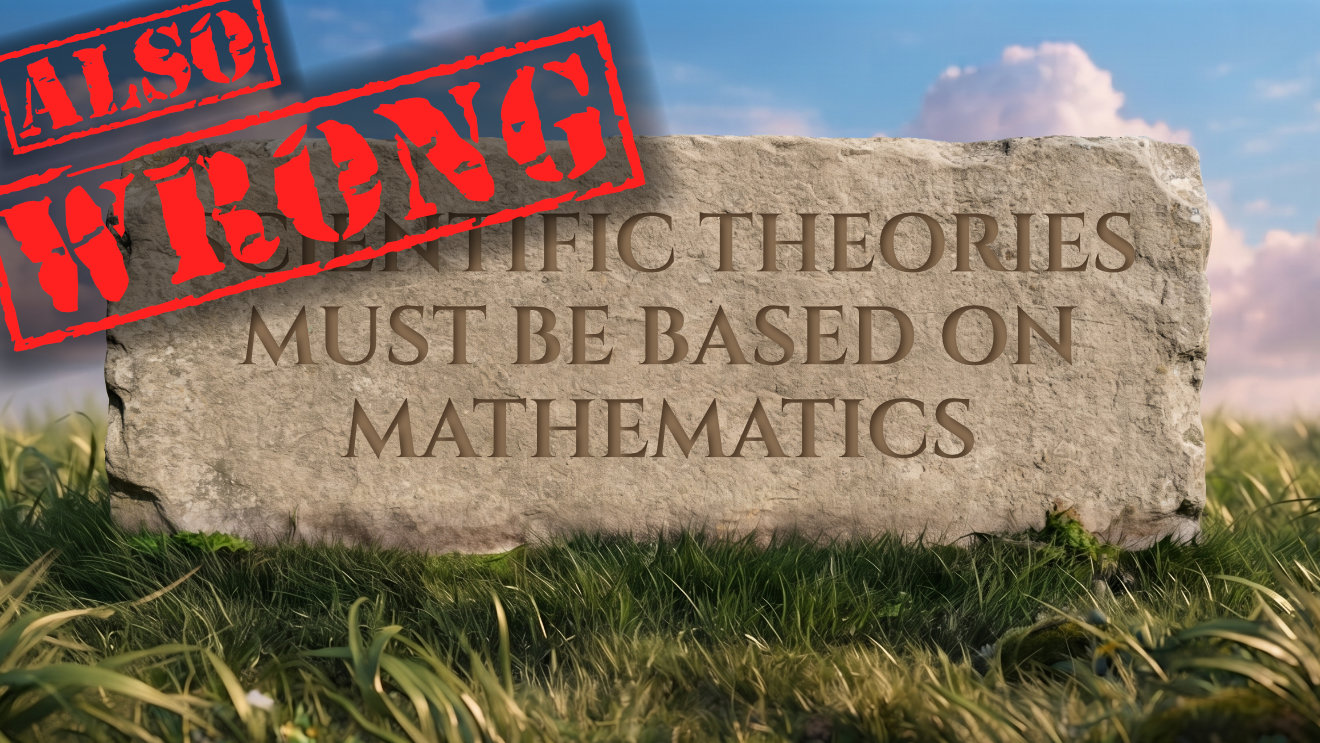
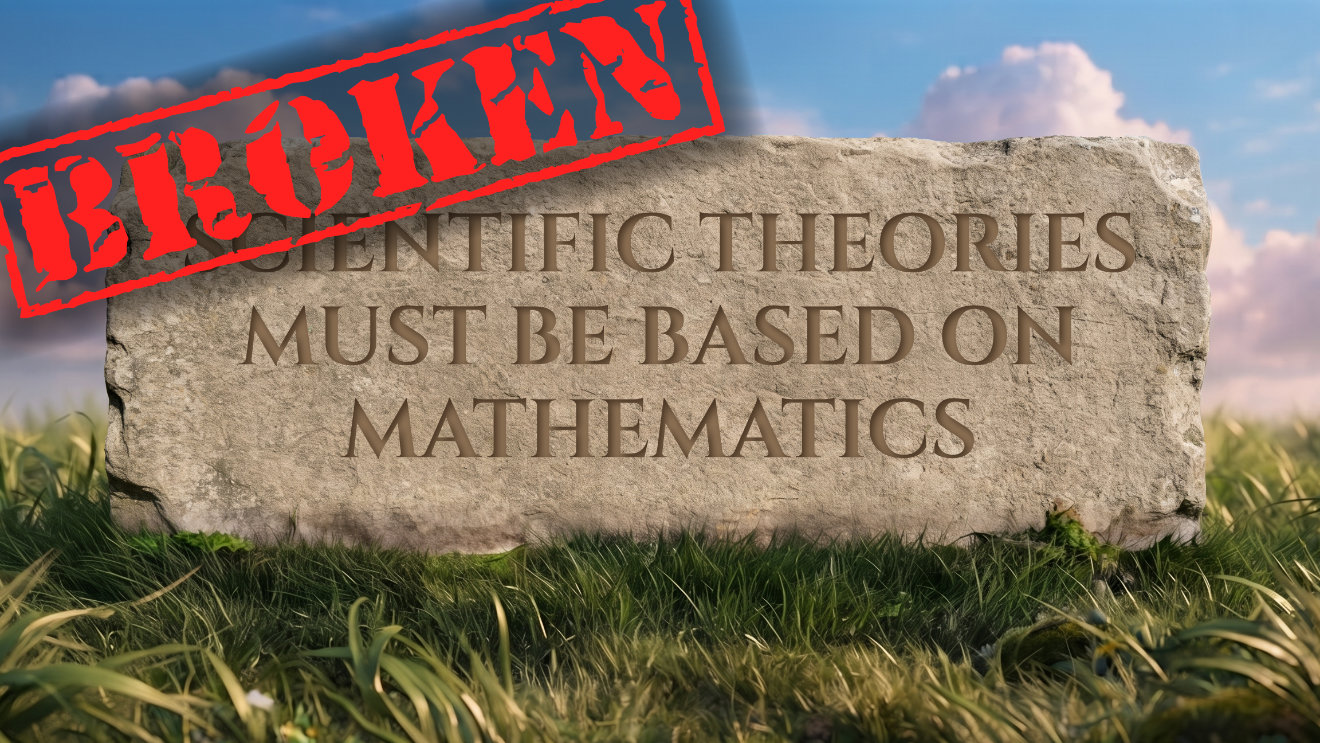
Scientific theories must be based on mathematics.
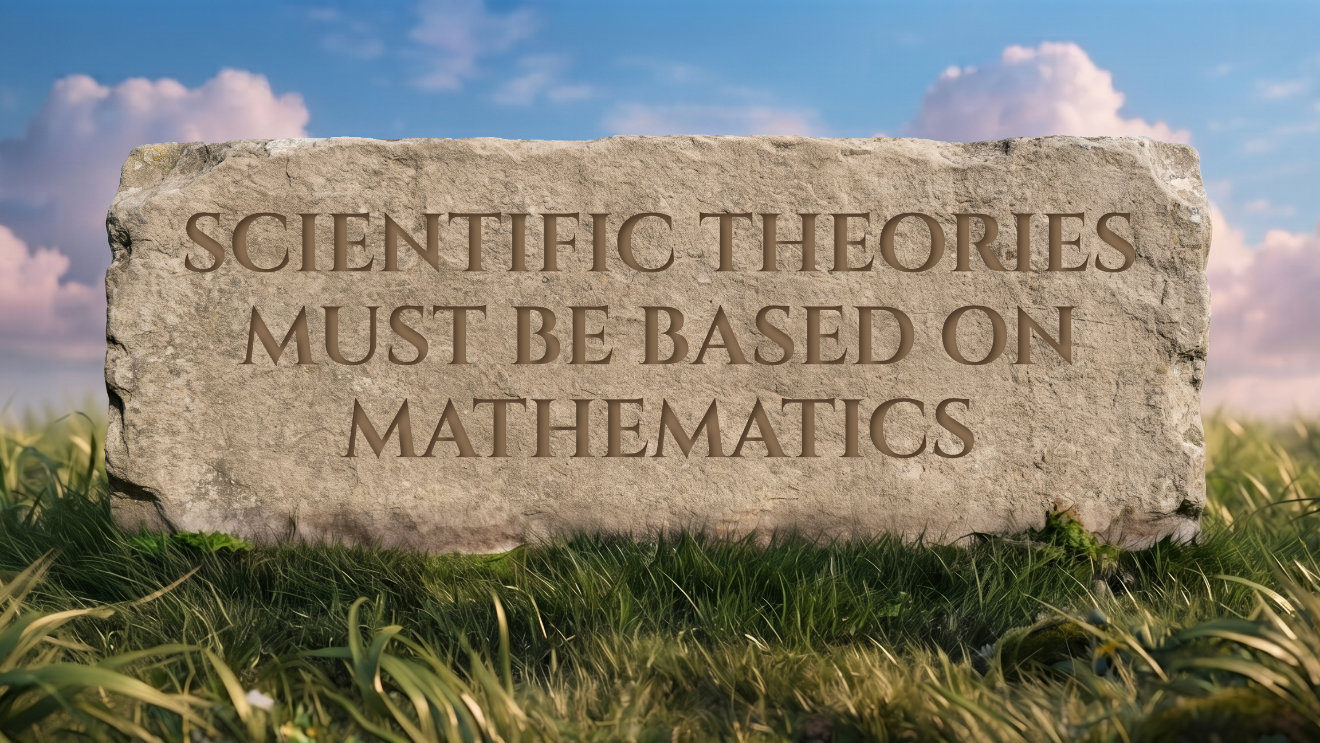
It’s a good rule. With the development of calculus, matrix theory, group theory, probability theory and non-Euclidean geometry, we’ve been able to apply mathematics to gravitation, electrodynamics, statistical mechanics, quantum mechanics, crystallography, special relativity and general relativity. Every major theory of physics since Galileo and Kepler has been based on mathemetics.
But...
What happens when a new tool comes along that’s even more powerful than mathematics? Specifically, what happens when computers come along? Should we reject any new theory that models the universe computationally rather than mathematically?
Let’s come together
A couple of hundred years ago, some time after Galileo used mathematics to model the motion of falling bodies and Kepler used mathematics to model the orbits of the planets, a guy called Newton used his new-fangled calculus to model the motion of falling bodies and the orbits of the planets.
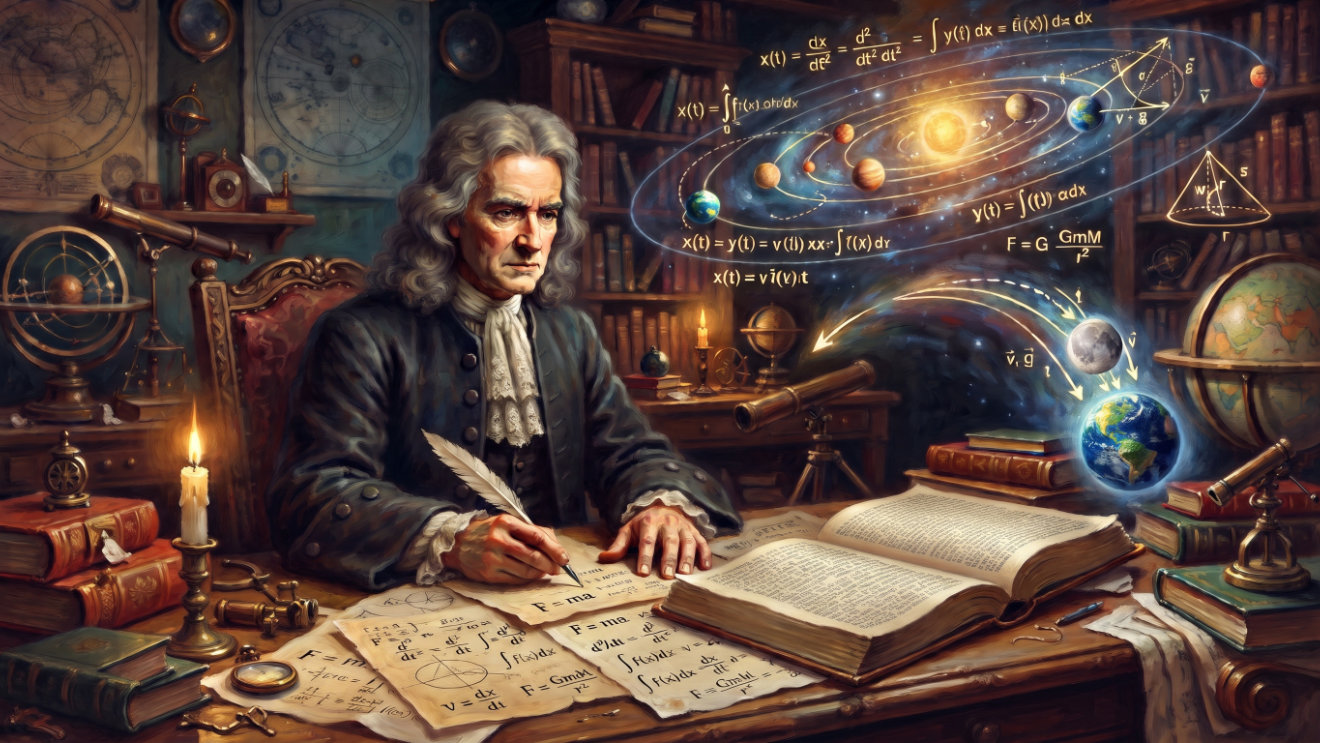
It turned out the force involved in the motion of falling bodies and the force involved in the orbits of the planets are the same force.
Newton called it gravity.
Now that’s interesting.
Think about it.
You have points of light following predictable paths across the night sky.
And you have armadillos falling from trees.

(Or was it apples? I can never remember.)

And that’s the same phenomenon?
Because that’s what’s interesting about what Newton did.
He didn’t just explain the motion of falling bodies.
He didn’t just explain the orbits of the planets.
He unified two phenomena that, on the face of it, had nothing in common.
This broke the rules.
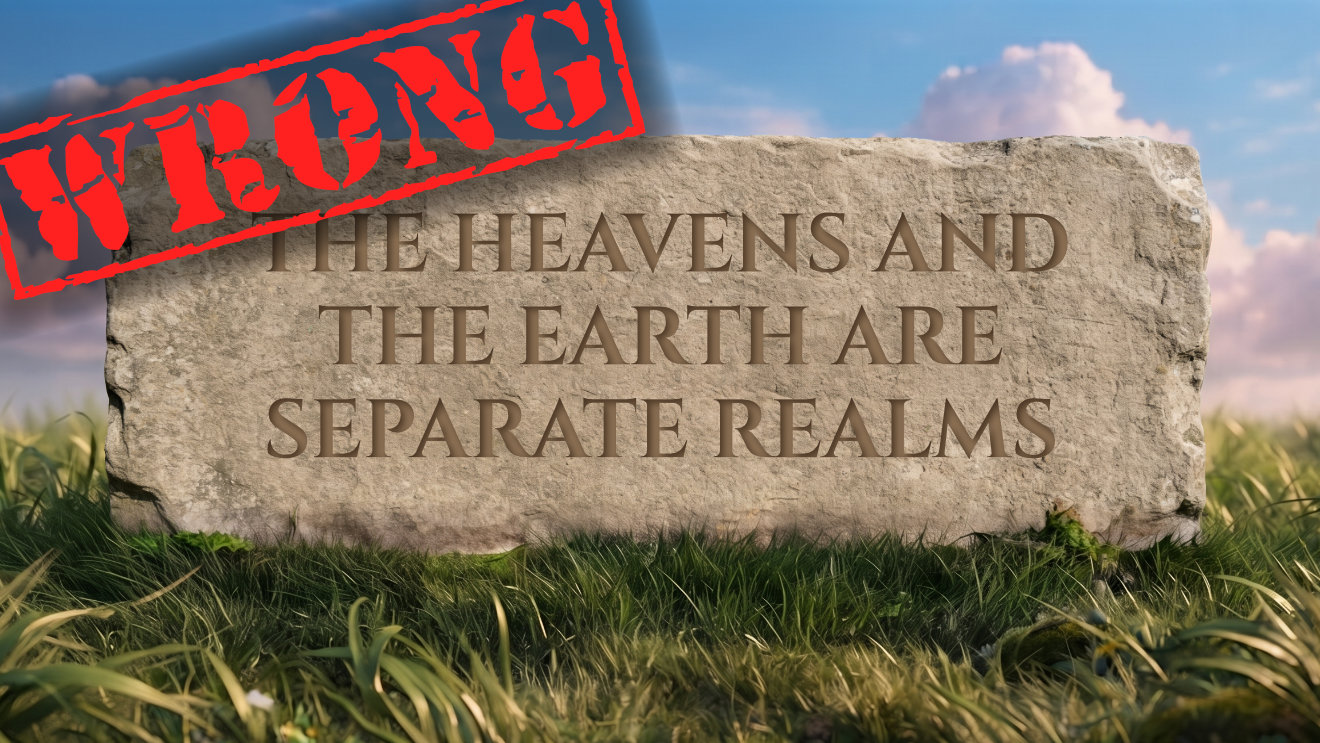
By the thinking of the day, the Heavens and the Earth were separate realms. One was the province of God. The other was the province of mortals.
Newton’s unification of the motion of falling bodies and the orbits of the planets proved this rule wrong.
Now we have a new rule.
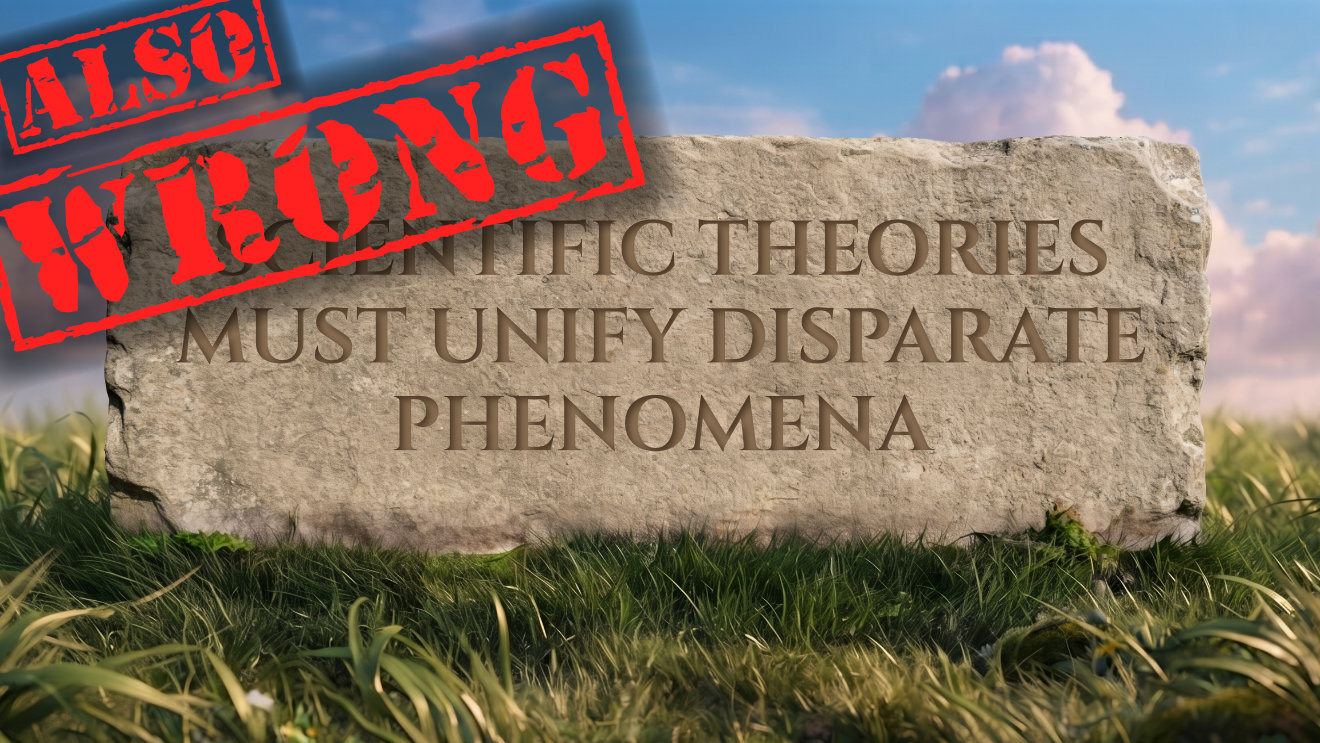
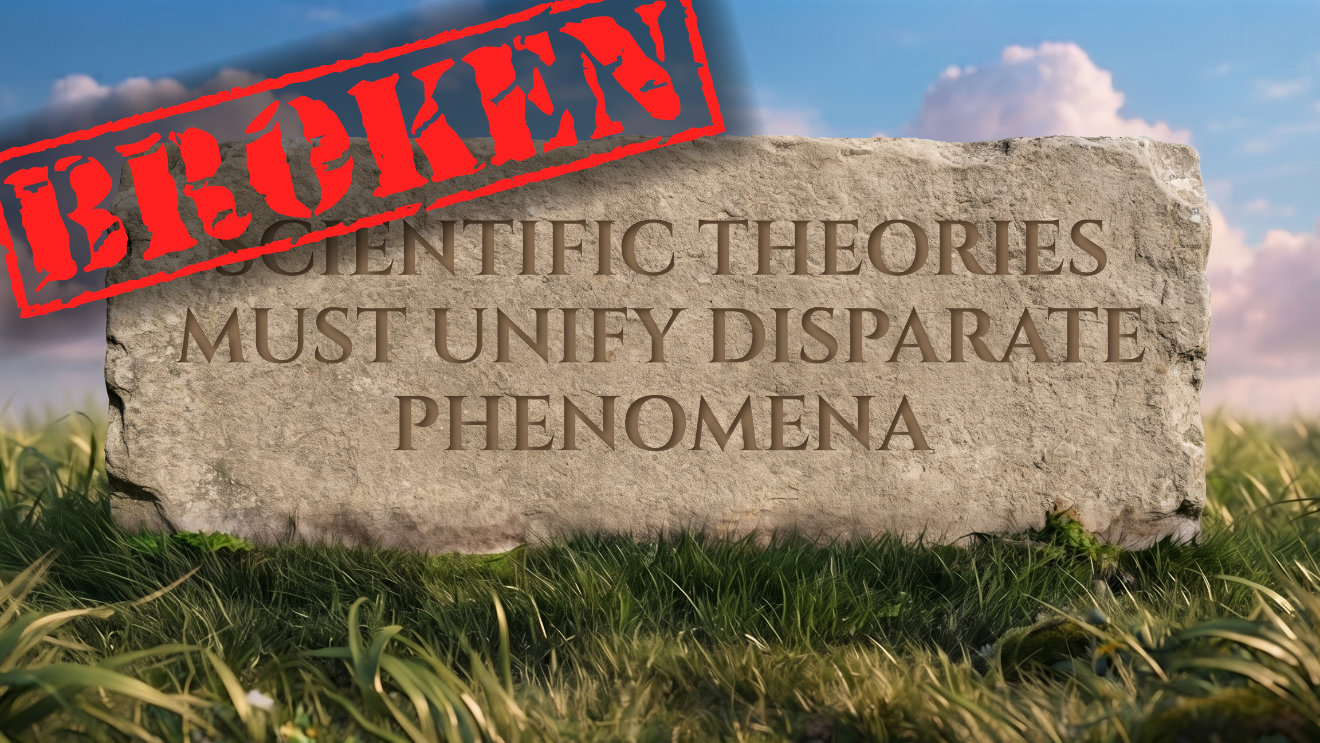
Scientific theories must unify disparate phenomena.
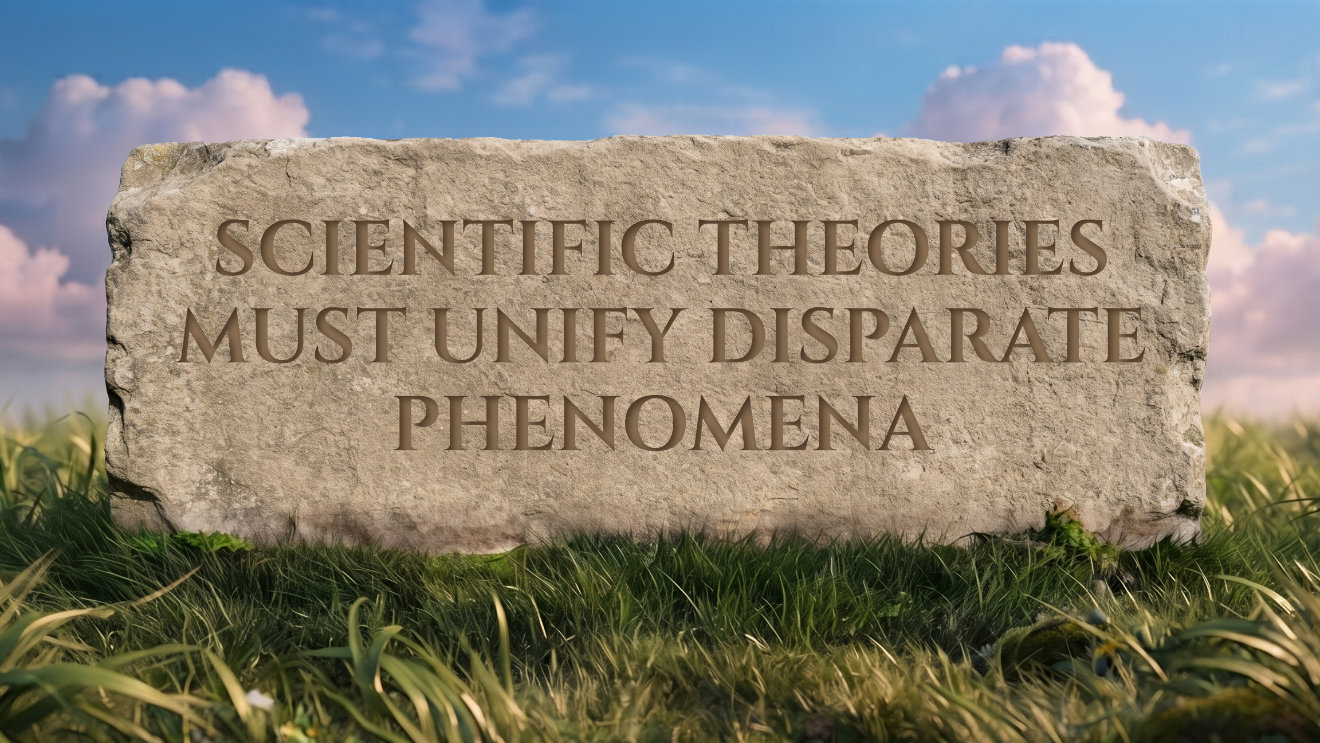
It’s a good rule. Over the centuries since Newton, physicists have been able to unify: electricity and magnetism; heat and motion; mass and energy; electromagnetic, weak and strong nuclear forces. Each of these unifications represents a major step forward in our understanding of the universe.
But...
What happens when unification has run its course? What happens when we’ve unified almost everything we’ve ever dreamt we might unify? Should we reject any new theory that doesn’t immediately unify every phenomenon, any new theory that’s not a theory of everything?
Shut up and calculate
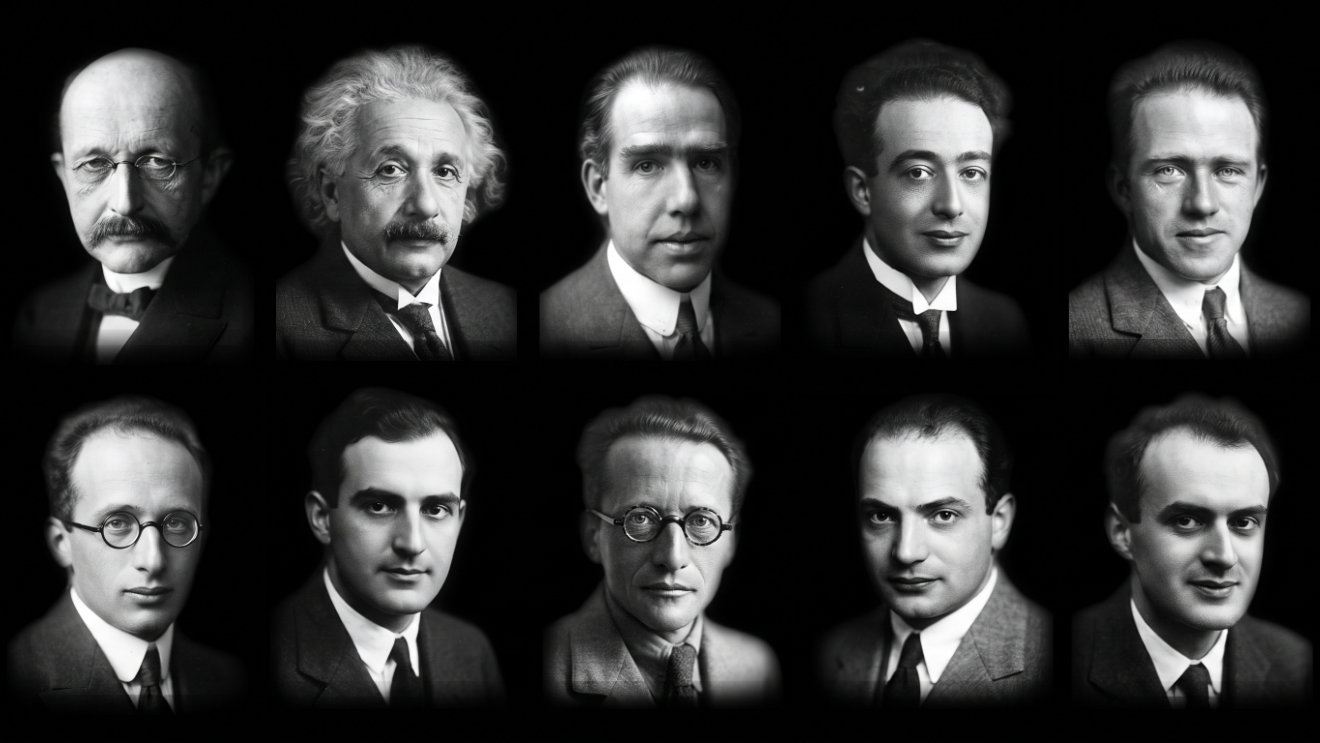
A hundred years ago, a bunch of guys called Heisenberg, Born, Pauli, Schrödinger and Dirac formulated quantum mechanics.
It was a strange theory.
It refused to predict precisely where a particle was. It predicted only the probability that the particle was in a particular position...
...until you took a look. If you took a look at its position, you could know precisely where it was... but then you couldn’t know precisely how fast it was moving. Or if you took a look at its momentum, you could know precisely how fast it was moving... but then you couldn’t know precisely where it was.
Until you took a look, the particle wasn’t in any particular state, it was in a superposition of states. A cat could be in a superposition of the state of being perfectly alive and the state of being perfectly dead.
It was a very strange theory.
But it worked.
Now that’s interesting.
A theory that’s counter to our every intuition about the world can nonetheless model every small-scale phenomenon we’ve ever observed with astonishing accuracy?
Because that’s what’s interesting about what the formulators of quantum mechanics did.
When their theories flew in the face of our intuitions, they didn’t reject their theories, they rejected our intuitions.
They accepted that the world is far weirder than we’d thought.
This broke the rules.
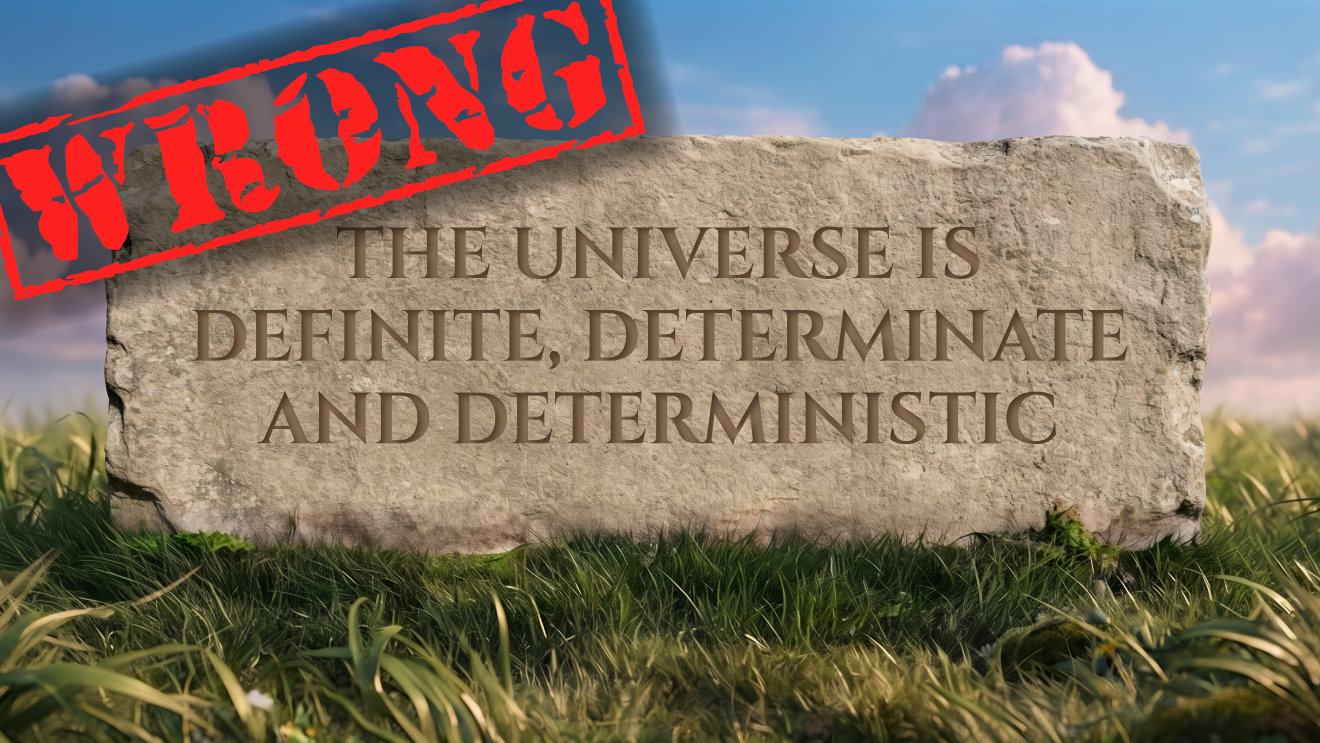
By the thinking of the day, the world wasn’t weird. It was definite: cats were either dead or alive. It was determinate: you could know both position and momentum, both energy and time. It was deterministic: you could predict what would happen, not just in all probability, but without a doubt.
These physicists’ new theories proved these rules wrong.
Now we have a new rule.
Scientific theories must not attempt to make sense.
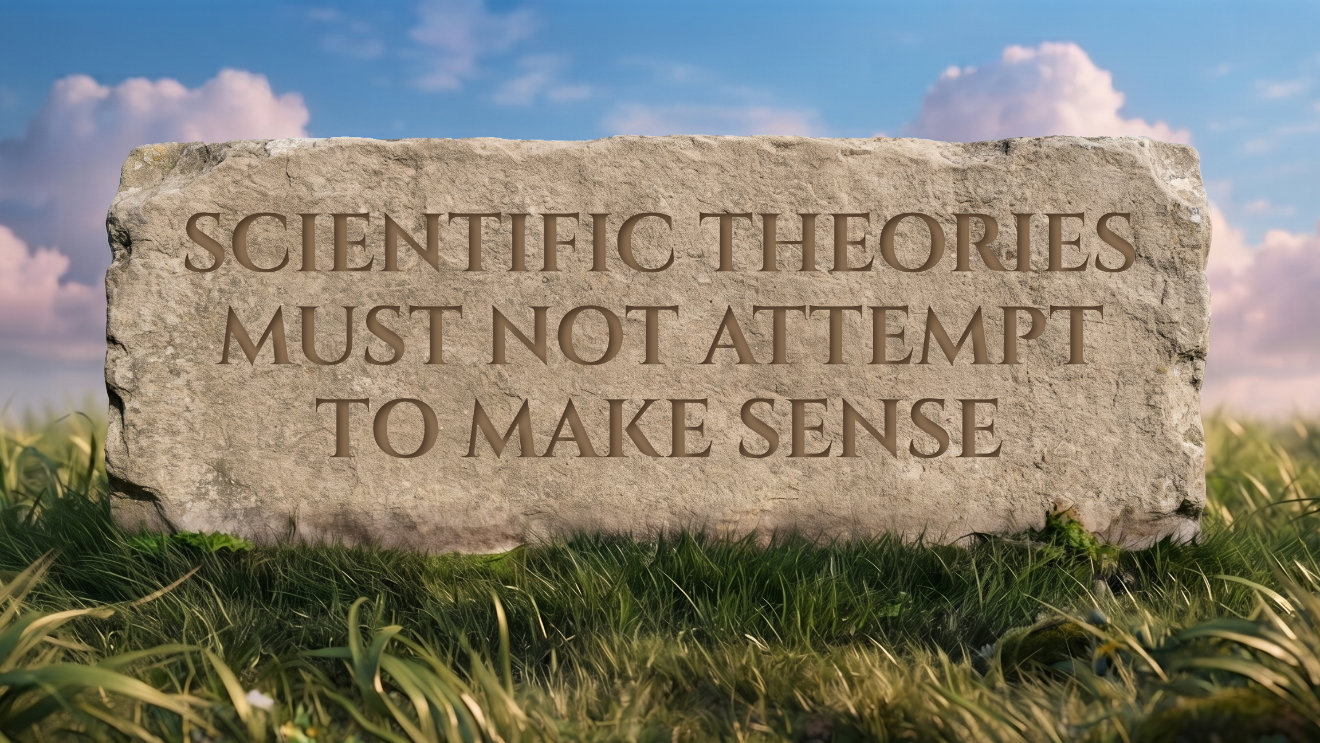
It’s a good rule. Our intuitions have proved time and again to be wrong. If we stop worrying about what makes sense and focus instead on the mathematics, we can formulate ever more complicated theories that match our observations ever more accurately. Who cares if these theories make no intuitive sense?
As generation after generation of physicists have been admonished: “Shut up and calculate.”
But...
What happens when “Shut up and calculate” takes you down a mathematical rabbit hole like String Theory?
What happens when you remember that sense-making is what got us here, and suspect that outlawing sense-making is what’s preventing us from getting any further?
What happens when, no matter how much more complicated we make our mathematics, no matter how much more accurately they match our observations, we’re left with the sneaking suspicion that we’re overfitting the data, that we understand nothing.
Should we reject any new theory that promises to make sense of the universe?
Makes sense
In the last few years, a couple of guys called Wolfram and Gorard have been exploring a model of physics based on a hypergraph.
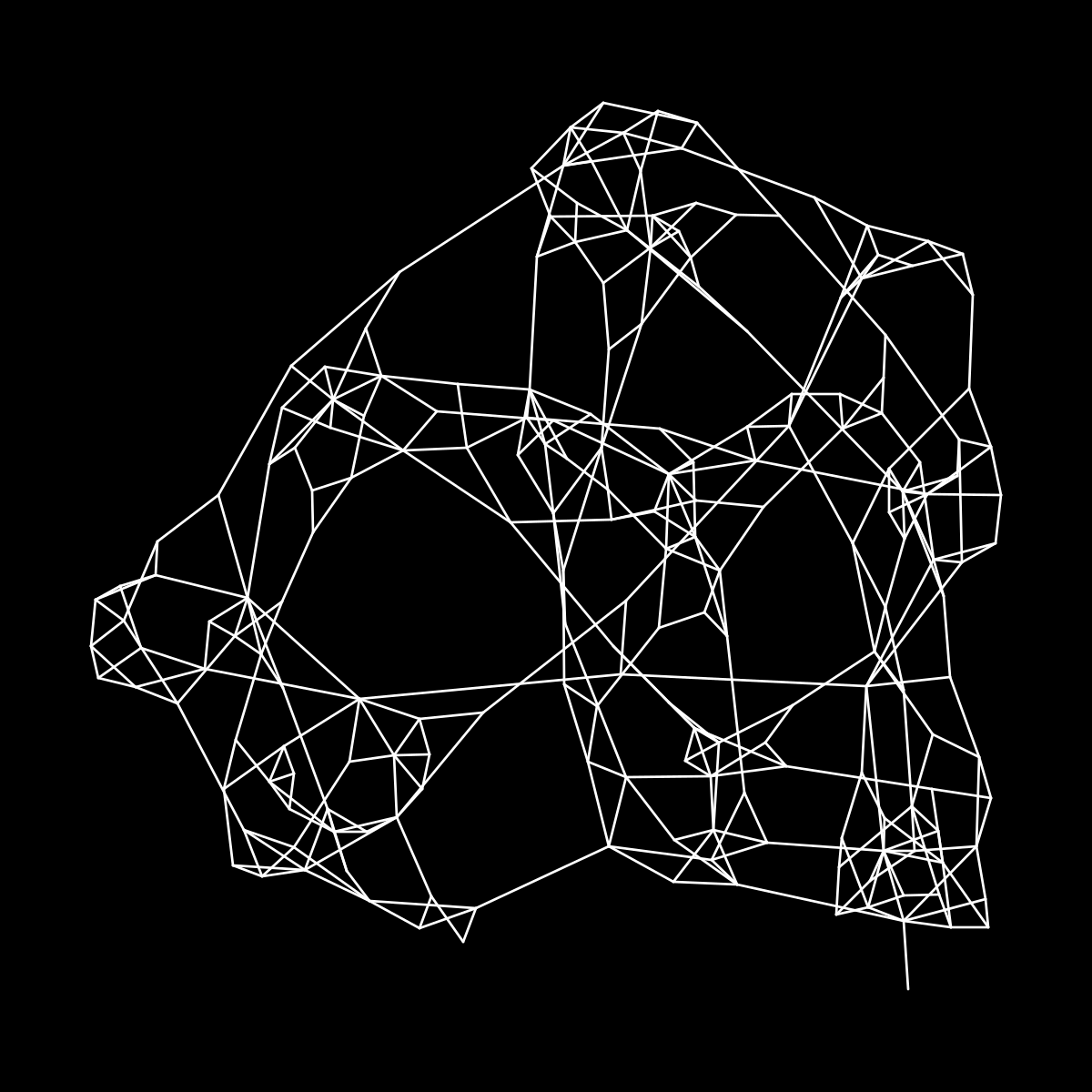
Our existing theories assume space and time. The Wolfram model, on the other hand, assumes only a hypergraph. Space and time emerge from the hypergraph, as do energy, momentum, matter, special relativity, general relativity and aspects of quantum mechanics.
Now that’s interesting.
And...
...you won’t be surprised to hear this...
...the Wolfram model breaks all the rules.
It hasn’t made any novel, precise predictions... at least, not yet.
It’s based on proposition, not observation.
It’s based on computation, not mathematics.
It’s not a theory of everything... at least, not yet.
And it does make intuitive sense.
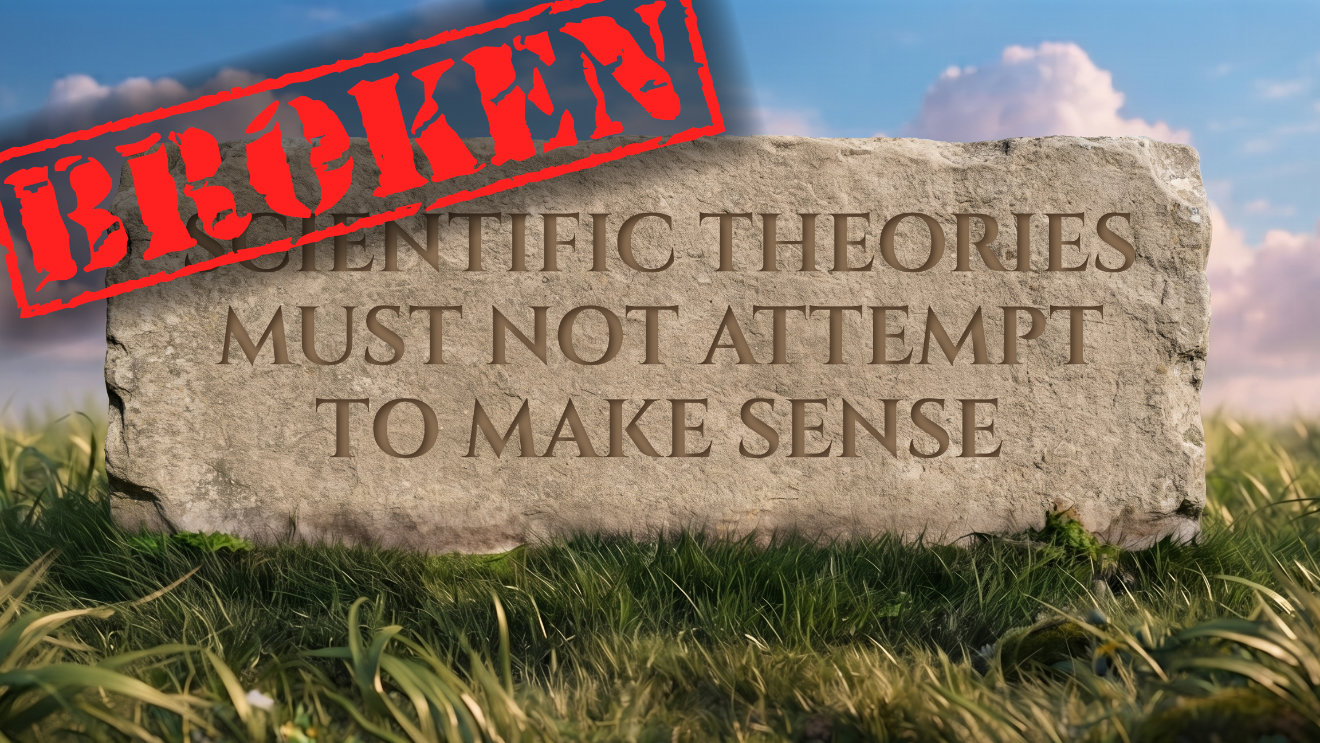
Wait a minute... let’s pause on that... I know these are the rules, but seriously... we’re supposed to reject a new theory because it makes sense?
That’s bonkers.
There’s something seriously wrong with all these rules.
Why every rule is wrong
You’ve probably already worked out what it is:
We’re always fighting the last war.
Those bad old rules...
- the gods are chaotic;
- natural philosophers must ponder God’s sublime creation;
- mathematics and physics are separate realms;
- the Heavens and the Earth are separate realms;
- the universe is definite, determinate, deterministic
...those bad old rules really held us back.
So we put in place good new rules...
- scientific theories must make predictions,
- must be based on observation,
- must be based on mathematics,
- must unify disparate phenomena,
- must not attempt to make sense
...good new rules to make sure we never made those mistakes again.
The trouble is, next time, it won’t be the bad old rules that’ll hold us back, it’ll be the good new rules.
If we try to impose rules based on what the last theory got right and what one the before got wrong, then we’ll always be fighting the last war.
It’s time to let go of the rules.
The reality is that every significant discovery in the history of science has broken the rules.
There are no rules in science.
The formula
So what is the formula for a good scientific theory?
The seven-word formula that has worked for every significant discovery in the history of science?
The formula I’m willing to bet you’ve never heard of?
It’s this:
Say something interesting about the real world.
That’s it.
What’s interesting?
I can’t say.
I can tell you what was interesting about the last theory, but I can’t tell you what’ll be interesting about the next theory.
It’ll be something completely different.
It always is.
Why the real world?
Well, you could say something interesting about an imaginary world. For instance, you could say that in a 24-dimensional space, 24-dimensional spheres can be packed so densely that each touches 196,560 others.*
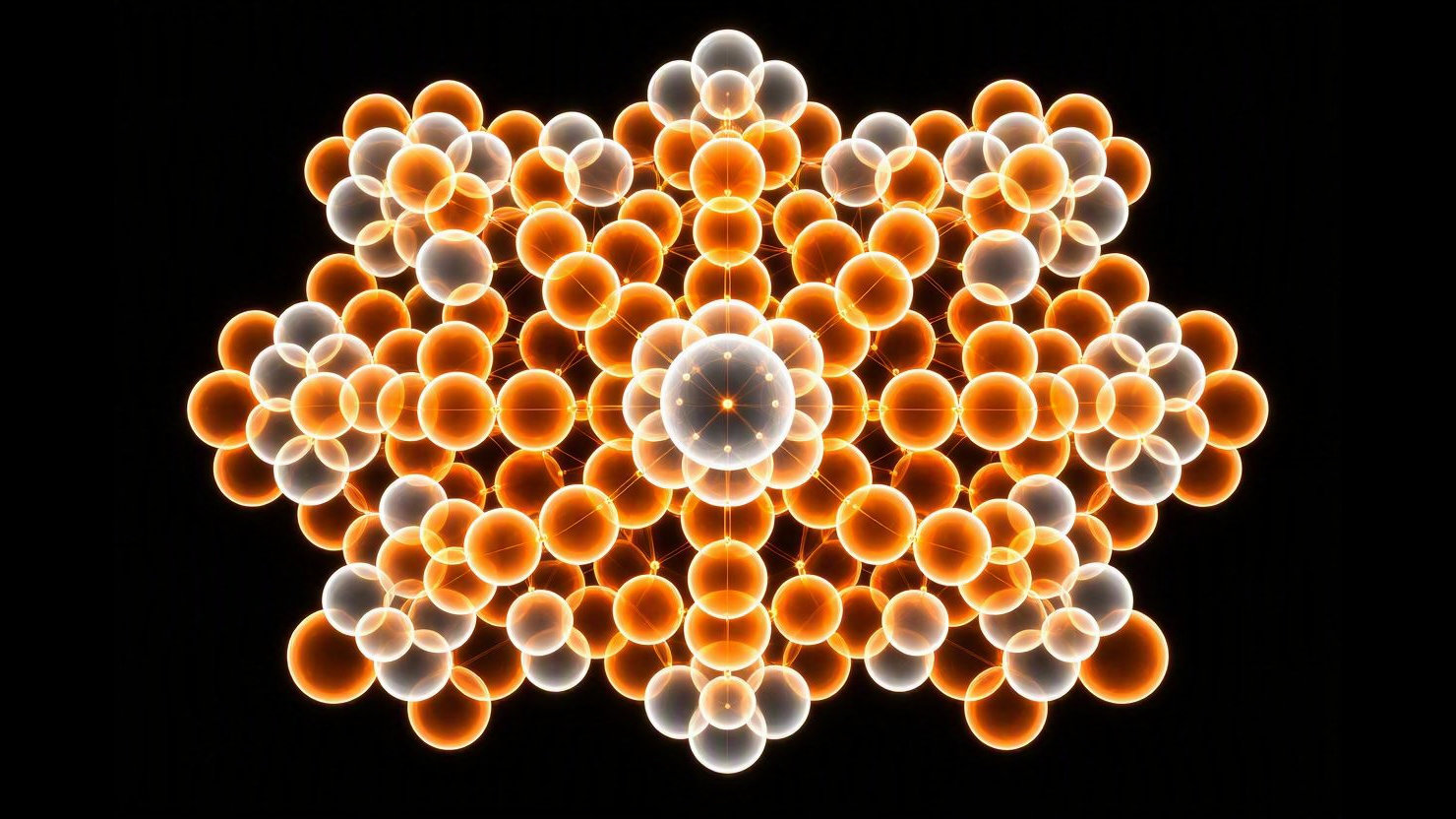
Now that’s interesting.
But it’s mathematics, not science.
Science is about the real world.
To formulate a good scientific theory, just say something interesting about that world... this world.
Forget about prediction.
Forget about observation.
Forget about mathematics.
Forget about unification.
Forget about intuition.
It’s not that prediction, observation, mathematics, unification and a dose of skepticism about our intuition aren’t good things. They are good things.
It’s just that if you cleave too closely to the rules, you stop thinking.
You stop thinking freely.
You stop thinking imaginatively.
You stop thinking differently.
You stop thinking in precisely the ways that permitted the great scientists of the past to make great progress in science.
Forget about the rules.
Just say something interesting about the real world.
That’s the one and only rule in science.
* The 24-dimensional sphere-packing problem was solved by Maryna Viazovska et al in 2016. See the section Stacking Oranges on pages 199-205 of David Besson’s brilliant book Mathematica. As Besson notes, a 24-dimensional space packed with 24-dimensional spheres might be imaginary, but it can still have applications in the real world.